
You Can Name Your Trauma. Why Can’t You Shake It?
Words can only take you so far.
Traumatic memories aren’t stored the way ordinary memories are. They live in the body as sensation, tension, numbness, bracing, collapse. They are triggered by sensory cues — a familiar smell, a tone of voice or specific song, a particular exit sign on the highway.

When the Mind Won’t Settle | Rethinking ADHD Through the Lens of Trauma
The answer is not to collapse these two realities into one, or to suggest that ADHD is just trauma, or that trauma causes ADHD in any simple, causal sense. The relationship is more nuanced. It asks us to hold multiple truths at once: brains differ neurologically from birth, experience sculpts our wiring, and diagnosis can illuminate yet also obscure.

Sneaky Smear Campaigns + DARVO | When Telling the Truth Makes You the Villain
There is a gut wrenching feeling when you discover someone has been systematically dismantling your reputation; not in response to anything you did, but preemptively, in anticipation of something true that you might one day say.

The Nervous System Has 3 Gears. Here is How to Tell Which One You Are In.
A practical guide to understand your window of tolerace and easy somatic practices that actually expand your capacity to heal.

Achieve Everything. Feel Nothing. Sound Familiar?
Survival mode doesn't always look like someone falling apart. Sometimes it looks like the most capable person in the room.
If you've ever achieved everything and felt nothing, given endlessly while running on empty, or wondered why rest never actually restores you — this is for you.

If You’ve Ever Lost Yourself in a Relationship, Read This
Co-dependency and enmeshment are two distinct concepts that frequently arise when we begin to name the experience of relentlessly tending to others needs, often at the expense of understanding our own.

How to Heal Toxic Shame After Complex Trauma (A Nervous System Perspective)
Struggling with toxic shame after complex trauma? Learn how shame impacts the nervous system and how to begin healing from a trauma-informed perspective.

It Was Surival, Not Self-Sabotage
A limiting belief is a protective narrative the nervous system formed to preserve safety, belonging and attachment; even if that story now restricts self-growth.
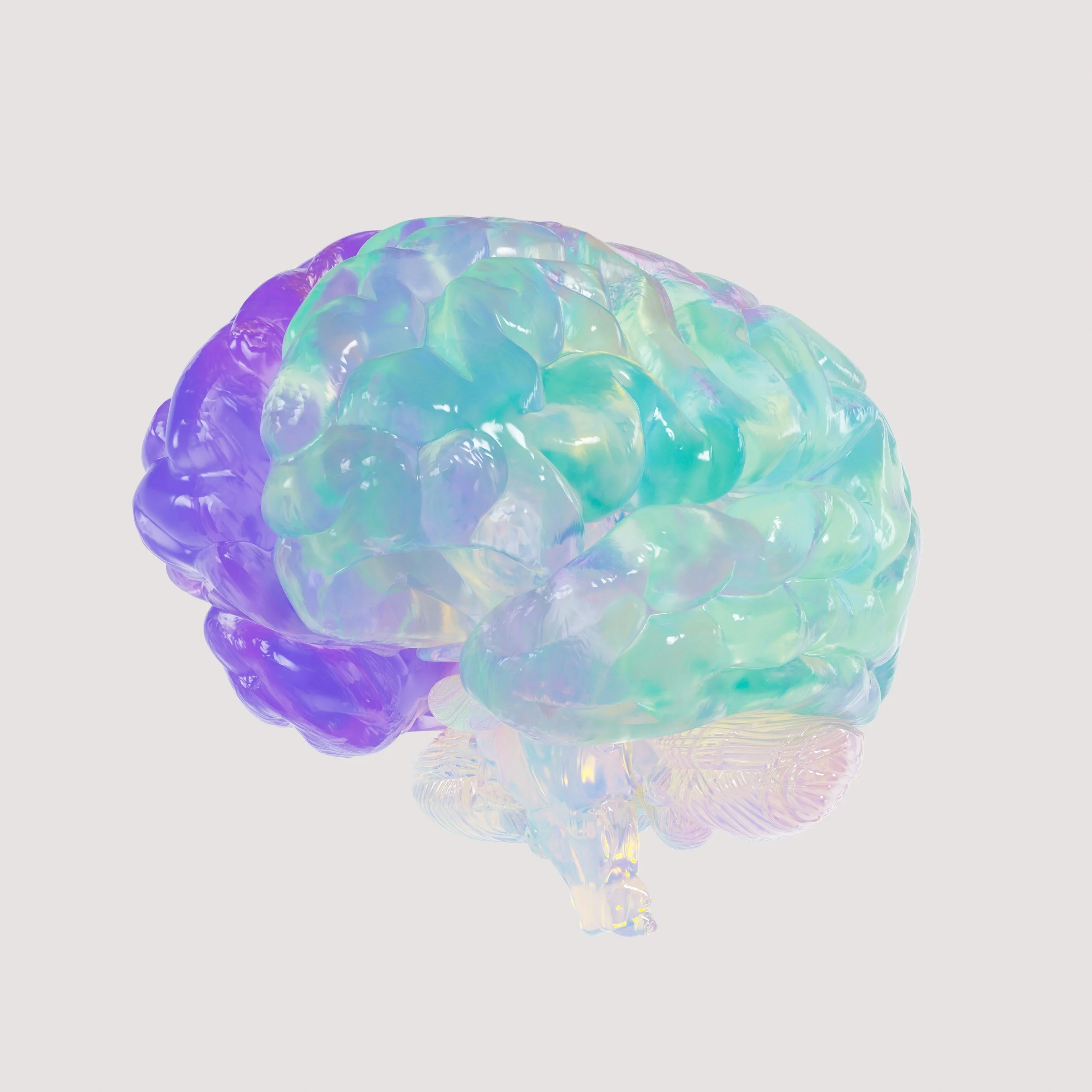
Bilateral Stimulation and the Brain | Why it Helps Us Heal
Science is still catching up to what many trauma survivors already know | movement heals.
People often describe bilateral stimulation as calming, focusing, even transformative. But how can something as simple as tapping your legs or watching lights move back and forth help untangle years of trauma?

What is Complex PTSD?
If you’ve ever felt like you’re too much, too sensitive, or never quite safe in your own body | there may be a deeper reason why.
Complex PTSD is the result of ongoing, repeated emotional wounds; often in the very relationships where you were meant to feel safe and protected. It is formed slowly, over time, with chronic, relational trauma.