
If You’ve Ever Lost Yourself in a Relationship, Read This
Co-dependency and enmeshment are two distinct concepts that frequently arise when we begin to name the experience of relentlessly tending to others needs, often at the expense of understanding our own.
The Beliefs That Are Running Your Life Weren’t Even Yours to Begin With
Limiting beliefs are not predominantly cognitive. They are not just stories in your mind. They are survival strategies that your nervous system developed in response to real experiences — experiences of pain, disconnection, shame, or fear — and they are stored in your body just as much as in your thoughts.

Trauma Bonds | When Survival Masquerades as Love
A trauma bond results from intense emotional experiences, paired with intermittent reward in a relationship. The key ingredient is inconsistency.

How to Heal Toxic Shame After Complex Trauma (A Nervous System Perspective)
Struggling with toxic shame after complex trauma? Learn how shame impacts the nervous system and how to begin healing from a trauma-informed perspective.

Between Trigger + Truth | The All-Essential Pause
There is a vital space between what happens when we are triggered and what we do next. In any given scenario that is activating, a pause, determines whether we respond or react.

It Was Surival, Not Self-Sabotage
A limiting belief is a protective narrative the nervous system formed to preserve safety, belonging and attachment; even if that story now restricts self-growth.

5 Ways Insecurity Presents as Anger or Judgement
At a core level, insecurity becomes anger or judgment when a person doesn’t have the capacity to feel vulnerability safely. Insecurity isn’t just a personal struggle anymore; it is a collective force.

Self-Trust is the Anchor
Self-trust is knowing your values and making choices that align with your authentic self.
In truth, trusting ourselves is much quieter than that. It is the subtle undercurrent that expands the moment you pause long enough to feel what is true inside you.
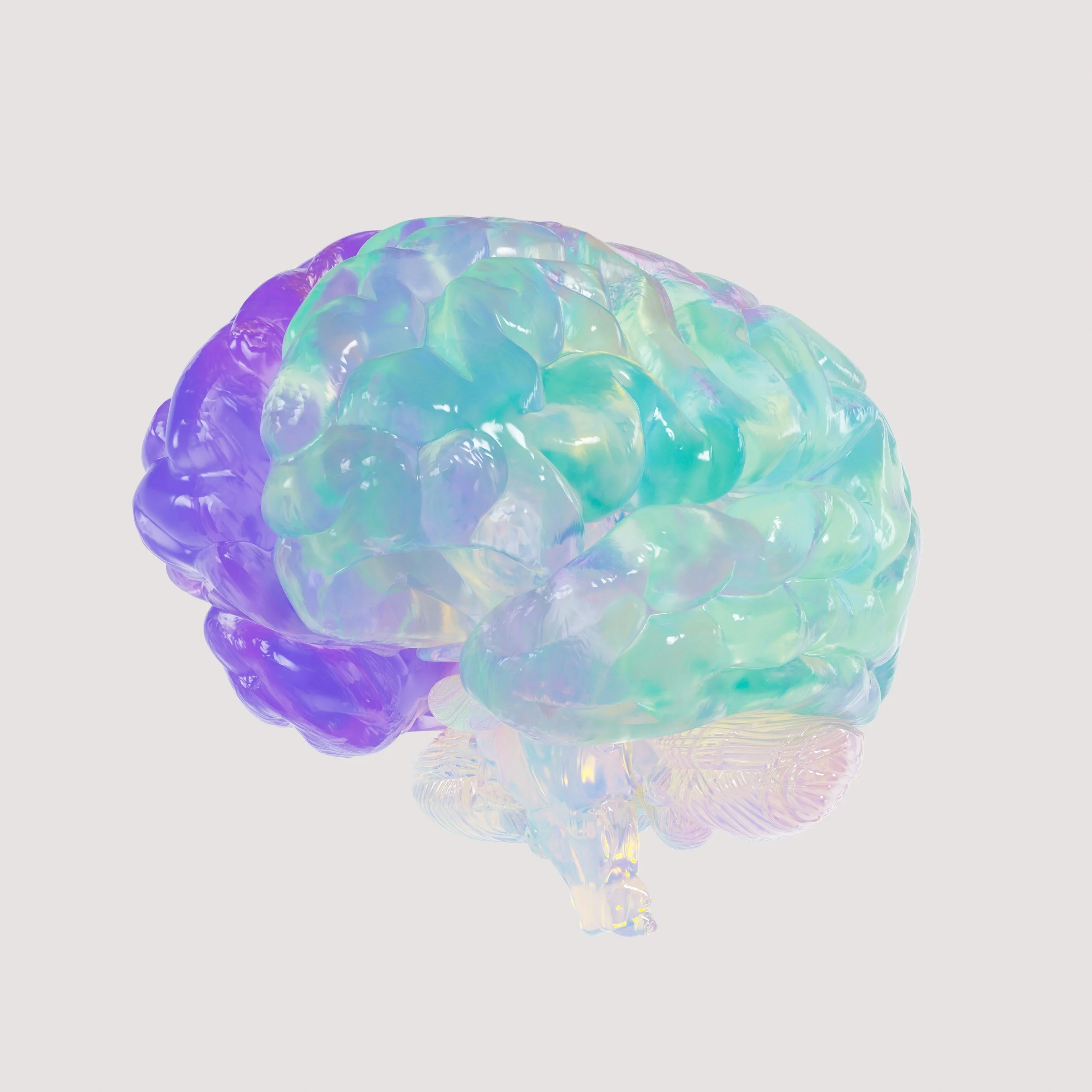
Bilateral Stimulation and the Brain | Why it Helps Us Heal
Science is still catching up to what many trauma survivors already know | movement heals.
People often describe bilateral stimulation as calming, focusing, even transformative. But how can something as simple as tapping your legs or watching lights move back and forth help untangle years of trauma?
Introversion · Intuition · Feeling · Judging
INFJ’s are the worlds rarest personality type.
INFJ’s are a very unique breed; with only about 1–2% of the population falling into this personality type. Their rarity is not just that they are a small fraction of the population — it is embodied in their complex and paradoxical nature.

What is Complex PTSD?
If you’ve ever felt like you’re too much, too sensitive, or never quite safe in your own body | there may be a deeper reason why.
Complex PTSD is the result of ongoing, repeated emotional wounds; often in the very relationships where you were meant to feel safe and protected. It is formed slowly, over time, with chronic, relational trauma.

Empaths Are an Energetic Magnet for Narcissists
Empaths and narcissists often find themselves in a magnetic, but ultimately harmful, dynamic due to their opposing energetic frequencies and psychological needs.
Empaths are highly attuned to others’ emotions. They feel deeply, are often nurturing, and instinctively want to help, heal, or understand.
Narcissists, contrarily, crave validation, control, and attention. They see relationships transactionally. Always seeking the next best conquest or prize, in an effort to increase external validation or superficial status approval.
Our Innate Human Desire To Be Seen, To Be Heard
There is a quiet ache many of us carry | one that whispers through our loneliness, our burnout, our over-giving, and our silence. It is the simple, innate human desire to be seen and heard.
Being seen and heard is a foundational human desire because it directly connects to our need for safety, connection (belonging), and sense of worth.

Reclaim Your Identity After Years of Survival Mode
There comes a moment — quiet but unmistakable — when the part of you who has been holding everything together begins to whisper |
I am so tired.
Not in the typical way. Not in the “I need a nap” way. But soul-tired. Worn from years of bracing, shape-shifting, silencing, and striving.
That moment is sacred. It is not a breakdown — it is the beginning of a humbling journey home to yourself.
10 Characteristics of an Empath
An empath is a deeply thoughtful person who is highly sensitive to the energy, emotions, and feelings of others.
An empath is like a sponge, deeply absorbing another’s emotional experience, often embodying it as if it is their own.
As a result of their heightened sensitivity, empaths are known to be very compassionate, understanding and nurturing towards all other living creatures — including animals and the natural world.